
Favorite Tools For Efficient Vermiculite Insulation Removal Tasks
Get insights into the most effective tools designed to simplify the process of vermiculite insulation removal for contractors.
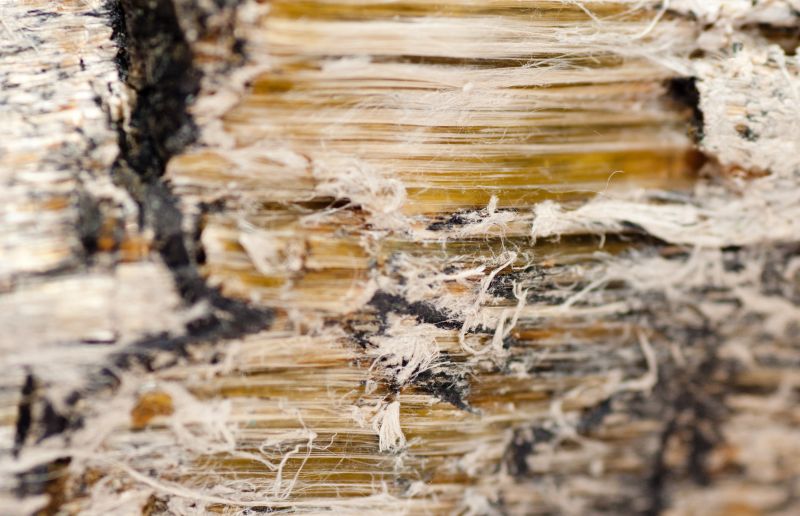 Vermiculite insulation removal is a specialized service that often requires specific tools and products to ensure safety and efficiency. When undertaking removal, professionals typically utilize a variety of equipment designed to handle the unique challenges posed by vermiculite, especially considering potential asbestos content in older insulation materials. Proper removal not only involves extraction but also careful containment and disposal to prevent fiber dispersal and contamination of the surrounding environment.
Top Overall Option
Comprehensive Vermiculite Removal Kit
A comprehensive removal kit that includes a HEPA vacuum, protective gear, containment barriers, and disposal supplies offers a versatile solution for professionals. This all-in-one set is designed to address various aspects of vermiculite removal, emphasizing safety, efficiency, and thoroughness. While not brand-specific, choosing a kit with high-quality components can facilitate a smoother removal process while adhering to safety standards.
Types of Products For Vermiculite Insulation Removal Service
HEPA Vacuum Cleaners
Specialized vacuums equipped with HEPA filters designed to trap fine fibers and dust during removal.
Containment Barriers
Heavy-duty plastic sheeting and sealing tapes used to isolate work areas and prevent fiber dispersal.
Protective Suits
Full-body protective clothing to safeguard workers from fiber exposure during removal.
Respirators and Masks
High-filtration respirators to protect against inhalation of hazardous particles.
Disposal Bags
Heavy-duty, sealable bags designed specifically for safe disposal of contaminated insulation materials.
Dust Suppressants
Chemical agents or water sprays used to minimize dust during removal.
Sealing Tapes
Specialized tapes for sealing containment areas and disposal bags securely.
Inspection Tools
Tools like flashlights and inspection mirrors to check for residual insulation after removal.
Decontamination Supplies
Cleaning solutions and equipment to decontaminate tools and surfaces post-removal.
Inspection Cameras
Video inspection devices to assess the removal progress and identify missed areas.
Air Scrubbers
Portable units that filter airborne particles during and after removal.
Removal Tools
Hand tools such as scrapers and scoops designed for delicate removal of insulation.
Labeling Supplies
Markers and labels for identifying disposal areas and contaminated materials.
Work Gloves
Protective gloves to prevent skin contact with hazardous materials.
Work Lights
Bright, portable lighting to ensure visibility in confined or poorly lit spaces.
Ventilation Equipment
Fans and exhaust systems to improve airflow and reduce airborne fibers during removal.
Safety Signage
Signs to mark work zones and warn of hazardous conditions.
Popular Choices
Widely used for their ability to trap very fine particles during removal.
Commonly employed to isolate work areas and prevent contamination spread.
Popular for ensuring comprehensive personal protection during removal tasks.
Trusted for their filtration efficiency and comfort during prolonged use.
Preferred for secure containment and disposal of hazardous insulation materials.
Frequently used to minimize airborne fibers during removal activities.
Commonly chosen for their strong adhesion and durability in containment setups.
Helpful for detailed inspection of hard-to-reach areas after removal.
Popular for maintaining air quality during and after removal projects.
Widely used to protect skin and prevent cross-contamination.
Essential for illuminating dark or tight spaces during removal.
Commonly used to improve airflow and reduce fiber suspension.
Helpful for ensuring complete removal in complex spaces.
Frequently used to clean tools and surfaces after removal.
Popular for organizing disposal and containment areas.
Standard protective gear for handling insulation safely.
A range of products can assist in the process, from specialized vacuums to containment barriers and protective gear. These tools are essential for creating a secure workspace, minimizing health risks, and ensuring the insulation is removed thoroughly. Selecting the right equipment depends on the scope of the project, the condition of the vermiculite, and safety requirements.
In addition to removal tools, there are various accessories and supplementary products that can streamline the process. These include sealing tapes, disposal bags, protective suits, respirators, and decontamination supplies. Each item plays a role in maintaining safety standards and facilitating an efficient removal process. Proper planning and the right product selection can make a significant difference in the overall success of a vermiculite insulation removal project.
Professionals must also consider the compatibility of products with existing building materials and the specific characteristics of the vermiculite insulation. Investing in quality, reliable equipment is crucial for those offering removal services, ensuring compliance with safety regulations and reducing potential health hazards. Whether for residential or commercial projects, understanding the available products helps in planning and executing a safe, effective removal process.
Key Buying Considerations
- Safety certifications such as HEPA filtration and compliance with safety standards.
- Compatibility of equipment with the specific type and condition of vermiculite insulation.
- Ease of use and ergonomic design to facilitate efficient removal.
- Durability and quality of materials, especially for containment and disposal products.
- Sealing capabilities of containment barriers to prevent fiber escape.
- Availability of replacement parts and accessories for ongoing projects.
- Comfort and fit of protective gear, including respirators and suits.
- Portability and storage options for equipment, especially for mobile services.
- Ability to handle the size and scope of the removal project.
- Compatibility with existing safety protocols and regulations.
- Ease of cleaning and maintenance of equipment post-use.
- Availability of comprehensive kits versus individual components.
- Customer reviews and reputation of the product or supplier.
- Cost-effectiveness relative to the scope of the project.
- Availability of technical support or guidance from the manufacturer.